Buy ytsre.eu ?
We are moving the project
ytsre.eu .
Are you interested in purchasing the domain
ytsre.eu ?
domain@kv-gmbh.de · 0541-91531010
Buy ytsre.eu ?
Is ammonia polyprotic or monoprotic?
Ammonia is a monoprotic base, meaning it can donate only one proton (H+) in a chemical reaction. This is because ammonia has only one nitrogen atom that can accept a proton to form the ammonium ion (NH4+). Therefore, ammonia is considered monoprotic. **
What are monoprotic and polyprotic acids?
Monoprotic acids are acids that can donate only one proton (hydrogen ion) per molecule when they dissociate in water. Examples include hydrochloric acid (HCl) and acetic acid (CH3COOH). Polyprotic acids, on the other hand, are acids that can donate more than one proton per molecule when they dissociate in water. Examples include sulfuric acid (H2SO4) and phosphoric acid (H3PO4). **


Similar search terms for Polyprotic
Top-Angebote
Products related to Polyprotic:
-
Edge Star Wars RPG: Gadgets and Gear Roleplaying Supplement for Fans of the Galactic Civil WarExpand your Star Wars roleplaying adventures with Gadgets and Gear, a supplement focused on the equipment, weapons, and practical technology used throughout the galaxy. From everyday tools and survival equipment to specialist weapons and gear used by troopers, Jedi, civilians, and criminals, this guide adds depth to characters and encounters during the Galactic Civil War. Use the contents to broaden character options, outfit adventuring parties, and bring greater detail to missions across the Star Wars universe. Whether your campaign follows rebels, smugglers, explorers, or Imperial forces, the equipment featured in this supplement can help shape distinctive characters and support imaginative stories.40,59 £*Shipping: 3,95 £Secure redirect to the provider
-
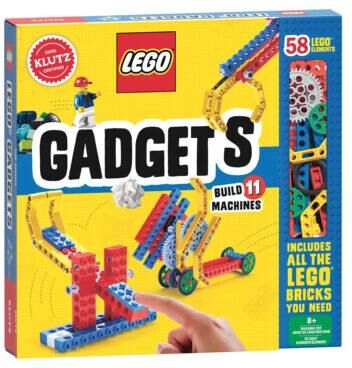
Klutz: LEGO GadgetsThis activity kit will have you building 11 machines including a gravity powered car and a wacky boxing robot. The fun doesn't stop once you've completed all of the projects in the book - open-ended prompts will inspire you to continue experimenting...24,99 $*Shipping: 0,00 $Secure redirect to the provider


-
How do I recognize a mono- or polyprotic acid?
A monoprotic acid is an acid that can donate only one proton (hydrogen ion) per molecule, such as hydrochloric acid (HCl) or acetic acid (CH3COOH). On the other hand, a polyprotic acid is an acid that can donate more than one proton per molecule, such as sulfuric acid (H2SO4) or phosphoric acid (H3PO4). One way to recognize a polyprotic acid is by looking at the chemical formula and identifying the presence of multiple hydrogen atoms that can potentially be donated as protons. Additionally, the acid's name may also provide a clue, as polyprotic acids often have prefixes such as di- or tri- to indicate the number of protons that can be donated. **
-
Why is the second dissociation stage weaker in polyprotic acids?
The second dissociation stage is weaker in polyprotic acids because after the first proton is removed, the remaining ion has a higher negative charge, making it more difficult to remove the second proton. This increased negative charge leads to stronger electrostatic attraction between the remaining ion and the proton, making it harder for the second proton to dissociate. Additionally, the second dissociation occurs at a lower pH, where the concentration of H+ ions is lower, further reducing the likelihood of the second dissociation. Overall, these factors contribute to the weaker second dissociation stage in polyprotic acids. **
-
How can I tell if an acid is monoprotic or polyprotic?
You can determine if an acid is monoprotic or polyprotic by looking at its chemical formula. If the formula contains only one hydrogen ion (H+), then the acid is monoprotic. However, if the formula contains more than one hydrogen ion, then the acid is polyprotic. Additionally, you can also look at the acid's chemical structure and its ability to donate multiple hydrogen ions to determine if it is polyprotic. **
-
Can someone explain the meaning of monoprotic and polyprotic to me?
Sure! Monoprotic and polyprotic refer to the number of protons that can be donated by an acid. Monoprotic acids can donate one proton, while polyprotic acids can donate more than one proton. For example, hydrochloric acid (HCl) is monoprotic because it can donate one proton, while sulfuric acid (H2SO4) is polyprotic because it can donate two protons. This distinction is important in understanding the behavior and properties of different acids in chemical reactions. **


How can the concentration of a polyprotic acid be determined by titration?
The concentration of a polyprotic acid can be determined by titration using a strong base. Since polyprotic acids can donate multiple protons, the titration curve will have multiple equivalence points, corresponding to the different dissociation steps of the acid. By monitoring the pH during the titration, the inflection points on the curve can be used to calculate the concentration of the acid. The volume of the base required to reach each equivalence point can also be used to determine the molar concentration of the acid. **
How do you calculate the concentration of a polyprotic acid through titration?
To calculate the concentration of a polyprotic acid through titration, you would first need to determine the equivalence point of the titration by using an indicator or a pH meter. Then, you would use the volume of titrant (such as a strong base) needed to reach the equivalence point and the known molarity of the titrant to calculate the moles of acid present. Since polyprotic acids can donate multiple protons, you would need to consider the number of moles of protons donated by the acid and the stoichiometry of the acid-base reaction to calculate the concentration of the polyprotic acid. **
Top-Angebote
Products related to Polyprotic:
-
Rare Purchases Piece Repair Tool Kit With Torx Screwdrivers For Digital Devices And Gadgets magnetismIntroducing our Multifunctional Precision Screwdriver Set, the essential tool kit for anyone who works with digital devices. Whether you're repairing a phone, tablet, PC, or any other gadget, this versatile tool set provides all the necessary...49,97 $*Shipping: 0,00 $Secure redirect to the provider
-
Is ammonia polyprotic or monoprotic?
Ammonia is a monoprotic base, meaning it can donate only one proton (H+) in a chemical reaction. This is because ammonia has only one nitrogen atom that can accept a proton to form the ammonium ion (NH4+). Therefore, ammonia is considered monoprotic. **
-
What are monoprotic and polyprotic acids?
Monoprotic acids are acids that can donate only one proton (hydrogen ion) per molecule when they dissociate in water. Examples include hydrochloric acid (HCl) and acetic acid (CH3COOH). Polyprotic acids, on the other hand, are acids that can donate more than one proton per molecule when they dissociate in water. Examples include sulfuric acid (H2SO4) and phosphoric acid (H3PO4). **
-
How do I recognize a mono- or polyprotic acid?
A monoprotic acid is an acid that can donate only one proton (hydrogen ion) per molecule, such as hydrochloric acid (HCl) or acetic acid (CH3COOH). On the other hand, a polyprotic acid is an acid that can donate more than one proton per molecule, such as sulfuric acid (H2SO4) or phosphoric acid (H3PO4). One way to recognize a polyprotic acid is by looking at the chemical formula and identifying the presence of multiple hydrogen atoms that can potentially be donated as protons. Additionally, the acid's name may also provide a clue, as polyprotic acids often have prefixes such as di- or tri- to indicate the number of protons that can be donated. **
-
Why is the second dissociation stage weaker in polyprotic acids?
The second dissociation stage is weaker in polyprotic acids because after the first proton is removed, the remaining ion has a higher negative charge, making it more difficult to remove the second proton. This increased negative charge leads to stronger electrostatic attraction between the remaining ion and the proton, making it harder for the second proton to dissociate. Additionally, the second dissociation occurs at a lower pH, where the concentration of H+ ions is lower, further reducing the likelihood of the second dissociation. Overall, these factors contribute to the weaker second dissociation stage in polyprotic acids. **
Similar search terms for Polyprotic
-
Edge Star Wars RPG: Gadgets and Gear Roleplaying Supplement for Fans of the Galactic Civil WarExpand your Star Wars roleplaying adventures with Gadgets and Gear, a supplement focused on the equipment, weapons, and practical technology used throughout the galaxy. From everyday tools and survival equipment to specialist weapons and gear used by troopers, Jedi, civilians, and criminals, this guide adds depth to characters and encounters during the Galactic Civil War. Use the contents to broaden character options, outfit adventuring parties, and bring greater detail to missions across the Star Wars universe. Whether your campaign follows rebels, smugglers, explorers, or Imperial forces, the equipment featured in this supplement can help shape distinctive characters and support imaginative stories.40,59 £*Shipping: 3,95 £Secure redirect to the provider
-
Klutz: LEGO GadgetsThis activity kit will have you building 11 machines including a gravity powered car and a wacky boxing robot. The fun doesn't stop once you've completed all of the projects in the book - open-ended prompts will inspire you to continue experimenting...24,99 $*Shipping: 0,00 $Secure redirect to the provider
-
Smart Shopping Spot Non Slip Car Gear Shift Knob Cover, Manual Gear Shift Knob With Gaitor Interior Accessories Non Slip Car Gear Shift Knob Cover, Manual Gear Shift Knob With Gaitor Interior AccessoriesUpgrade Your Car's Interior with Premium Gear Shift Knob Cover Enhance the look and feel of your vehicles interior with this highquality Car Gear Shift Knob Cover. Designed for manual gear shift knobs, this cover provides an upgraded, luxurious feel...49,97 $*Shipping: 0,00 $Secure redirect to the provider
-
Inspire Curations FixPro 24 in 1 Precision Screwdriver Set Magnetic Electronics Repair Kit For Phones, Laptops & Small Devices silverHandle delicate repairs with confidence using this compact and versatile precision screwdriver set designed for modern electronics and everyday fixes. Perfect for DIY enthusiasts, technicians, gamers, and gadget owners, this allinone repair kit...53,00 $*Shipping: 0,00 $Secure redirect to the provider
-
How can I tell if an acid is monoprotic or polyprotic?
You can determine if an acid is monoprotic or polyprotic by looking at its chemical formula. If the formula contains only one hydrogen ion (H+), then the acid is monoprotic. However, if the formula contains more than one hydrogen ion, then the acid is polyprotic. Additionally, you can also look at the acid's chemical structure and its ability to donate multiple hydrogen ions to determine if it is polyprotic. **
-
Can someone explain the meaning of monoprotic and polyprotic to me?
Sure! Monoprotic and polyprotic refer to the number of protons that can be donated by an acid. Monoprotic acids can donate one proton, while polyprotic acids can donate more than one proton. For example, hydrochloric acid (HCl) is monoprotic because it can donate one proton, while sulfuric acid (H2SO4) is polyprotic because it can donate two protons. This distinction is important in understanding the behavior and properties of different acids in chemical reactions. **
-
How can the concentration of a polyprotic acid be determined by titration?
The concentration of a polyprotic acid can be determined by titration using a strong base. Since polyprotic acids can donate multiple protons, the titration curve will have multiple equivalence points, corresponding to the different dissociation steps of the acid. By monitoring the pH during the titration, the inflection points on the curve can be used to calculate the concentration of the acid. The volume of the base required to reach each equivalence point can also be used to determine the molar concentration of the acid. **
-
How do you calculate the concentration of a polyprotic acid through titration?
To calculate the concentration of a polyprotic acid through titration, you would first need to determine the equivalence point of the titration by using an indicator or a pH meter. Then, you would use the volume of titrant (such as a strong base) needed to reach the equivalence point and the known molarity of the titrant to calculate the moles of acid present. Since polyprotic acids can donate multiple protons, you would need to consider the number of moles of protons donated by the acid and the stoichiometry of the acid-base reaction to calculate the concentration of the polyprotic acid. **
* All prices are inclusive of VAT and, if applicable, plus shipping costs. The offer information is based on the details provided by the respective shop and is updated through automated processes. Real-time updates do not occur, so deviations can occur in individual cases. ** Note: Parts of this content were created by AI.