Buy ytsre.eu ?
We are moving the project
ytsre.eu .
Are you interested in purchasing the domain
ytsre.eu ?
domain@kv-gmbh.de · 0541-91531010
Buy ytsre.eu ?
What is a capacitor motor in electrical engineering?
A capacitor motor is a type of electric motor that uses a capacitor to provide an additional phase shift in the motor's windings. This additional phase shift helps to create a rotating magnetic field, which is necessary for the motor to operate. Capacitor motors are commonly used in applications where a high starting torque is required, such as in air conditioners, refrigerators, and washing machines. They are also known for their simple design and reliable performance. **
What is motor full protection in electrical engineering?
Motor full protection in electrical engineering refers to the comprehensive set of measures and devices put in place to ensure the safe and efficient operation of electric motors. This includes protection against overcurrent, overload, overheating, phase imbalance, and short circuits. Motor full protection also involves the use of devices such as thermal overload relays, circuit breakers, and motor starters to prevent damage to the motor and ensure the safety of the overall electrical system. By implementing motor full protection, engineers can minimize the risk of motor failure and prolong the lifespan of the equipment. **
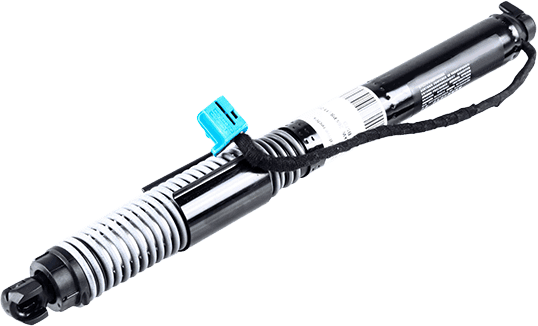
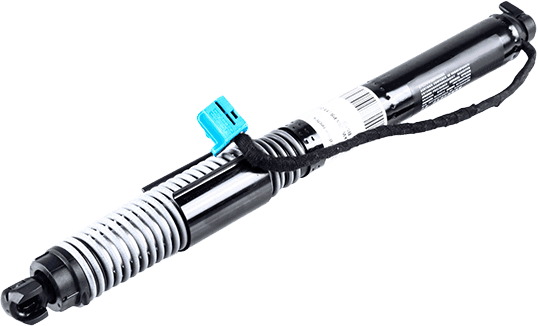
Similar search terms for DENCKERMANN-G100129-Electrical-motor
Top-Angebote
Products related to DENCKERMANN-G100129-Electrical-motor:
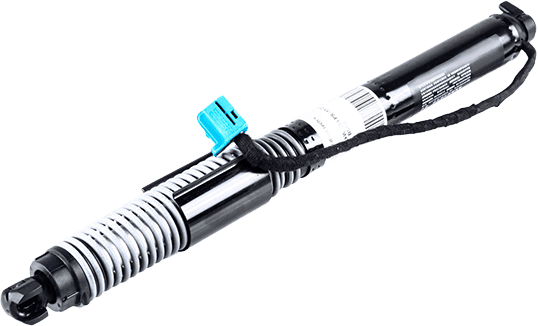


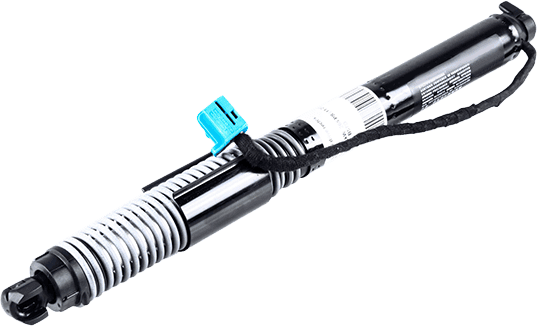
-
How are thermistors used in electrical engineering for motor protection?
Thermistors are used in electrical engineering for motor protection by monitoring the temperature of the motor. If the temperature exceeds a certain threshold, it could indicate an overload or fault condition. The thermistor can be connected to a control circuit that will trigger an alarm or shut down the motor to prevent damage. This helps to protect the motor from overheating and potential failure, ultimately extending its lifespan and reducing maintenance costs. **
-
Why does the motor of a drill not consume electrical current?
The motor of a drill does consume electrical current in order to operate. When the drill is turned on, the motor draws electrical current from the power source to generate the necessary mechanical energy to rotate the drill bit. This electrical current is converted into mechanical energy through the interaction of magnetic fields and the rotation of the motor's components. Therefore, the motor of a drill does consume electrical current in order to function. **
-
Could I replace a DC motor with a gear motor?
Yes, you can replace a DC motor with a gear motor in certain applications. A gear motor is a type of motor that includes a gear train to reduce speed and increase torque. This can be useful in applications where high torque and low speed are required, such as in conveyor systems or industrial machinery. However, it's important to consider the specific requirements of your application and ensure that the gear motor you choose has the appropriate speed, torque, and power ratings to meet your needs. Additionally, you may need to make adjustments to the mechanical and electrical components to accommodate the different size and mounting requirements of the gear motor. **
-
How do you calculate the motor and the frequency in electrical engineering?
In electrical engineering, the motor's power can be calculated using the formula P = VI, where P is the power in watts, V is the voltage in volts, and I is the current in amperes. The frequency of an electrical system can be calculated using the formula f = 1/T, where f is the frequency in hertz and T is the period in seconds. The period T is the time it takes for one complete cycle of the waveform to occur. These calculations are fundamental in designing and analyzing electrical systems and motors. **


How are electrical devices controlled?
Electrical devices are controlled through the use of switches, sensors, and electronic circuits. Switches are used to manually turn devices on or off, while sensors can detect changes in the environment and trigger the device to respond accordingly. Electronic circuits, such as microcontrollers or programmable logic controllers, can be programmed to control the operation of devices based on specific inputs or conditions. Overall, electrical devices are controlled through a combination of manual inputs, automated sensors, and electronic programming. **
Is disinfecting electrical devices bad?
Disinfecting electrical devices is not inherently bad, but it must be done with caution to avoid damaging the devices. It is important to use disinfectants that are safe for use on electronics and to follow the manufacturer's guidelines for cleaning. Using excessive moisture or harsh chemicals can potentially harm the electrical components of the devices, so it is important to be mindful of the cleaning process. Overall, disinfecting electrical devices can be done safely as long as proper precautions are taken. **
Top-Angebote
Products related to DENCKERMANN-G100129-Electrical-motor:
-
What is a capacitor motor in electrical engineering?
A capacitor motor is a type of electric motor that uses a capacitor to provide an additional phase shift in the motor's windings. This additional phase shift helps to create a rotating magnetic field, which is necessary for the motor to operate. Capacitor motors are commonly used in applications where a high starting torque is required, such as in air conditioners, refrigerators, and washing machines. They are also known for their simple design and reliable performance. **
-
What is motor full protection in electrical engineering?
Motor full protection in electrical engineering refers to the comprehensive set of measures and devices put in place to ensure the safe and efficient operation of electric motors. This includes protection against overcurrent, overload, overheating, phase imbalance, and short circuits. Motor full protection also involves the use of devices such as thermal overload relays, circuit breakers, and motor starters to prevent damage to the motor and ensure the safety of the overall electrical system. By implementing motor full protection, engineers can minimize the risk of motor failure and prolong the lifespan of the equipment. **
-
How are thermistors used in electrical engineering for motor protection?
Thermistors are used in electrical engineering for motor protection by monitoring the temperature of the motor. If the temperature exceeds a certain threshold, it could indicate an overload or fault condition. The thermistor can be connected to a control circuit that will trigger an alarm or shut down the motor to prevent damage. This helps to protect the motor from overheating and potential failure, ultimately extending its lifespan and reducing maintenance costs. **
-
Why does the motor of a drill not consume electrical current?
The motor of a drill does consume electrical current in order to operate. When the drill is turned on, the motor draws electrical current from the power source to generate the necessary mechanical energy to rotate the drill bit. This electrical current is converted into mechanical energy through the interaction of magnetic fields and the rotation of the motor's components. Therefore, the motor of a drill does consume electrical current in order to function. **
Similar search terms for DENCKERMANN-G100129-Electrical-motor
-
DENCKERMANN G100114 Electrical motor, tailgateFitting Position: both sides; Length [mm]: 658; Stroke [mm]: 167; Housing Diameter [mm]: 37,5; EU General Product Safety Regulation (GPSR): IEC 60417-6182 electrical expertise required; Production date from: 29.11.2021; Production date to: 28.11.2022; for combined PR number: K8B+4E675,99 £*Shipping: 8,45 £Secure redirect to the provider
-
Could I replace a DC motor with a gear motor?
Yes, you can replace a DC motor with a gear motor in certain applications. A gear motor is a type of motor that includes a gear train to reduce speed and increase torque. This can be useful in applications where high torque and low speed are required, such as in conveyor systems or industrial machinery. However, it's important to consider the specific requirements of your application and ensure that the gear motor you choose has the appropriate speed, torque, and power ratings to meet your needs. Additionally, you may need to make adjustments to the mechanical and electrical components to accommodate the different size and mounting requirements of the gear motor. **
-
How do you calculate the motor and the frequency in electrical engineering?
In electrical engineering, the motor's power can be calculated using the formula P = VI, where P is the power in watts, V is the voltage in volts, and I is the current in amperes. The frequency of an electrical system can be calculated using the formula f = 1/T, where f is the frequency in hertz and T is the period in seconds. The period T is the time it takes for one complete cycle of the waveform to occur. These calculations are fundamental in designing and analyzing electrical systems and motors. **
-
How are electrical devices controlled?
Electrical devices are controlled through the use of switches, sensors, and electronic circuits. Switches are used to manually turn devices on or off, while sensors can detect changes in the environment and trigger the device to respond accordingly. Electronic circuits, such as microcontrollers or programmable logic controllers, can be programmed to control the operation of devices based on specific inputs or conditions. Overall, electrical devices are controlled through a combination of manual inputs, automated sensors, and electronic programming. **
-
Is disinfecting electrical devices bad?
Disinfecting electrical devices is not inherently bad, but it must be done with caution to avoid damaging the devices. It is important to use disinfectants that are safe for use on electronics and to follow the manufacturer's guidelines for cleaning. Using excessive moisture or harsh chemicals can potentially harm the electrical components of the devices, so it is important to be mindful of the cleaning process. Overall, disinfecting electrical devices can be done safely as long as proper precautions are taken. **
* All prices are inclusive of VAT and, if applicable, plus shipping costs. The offer information is based on the details provided by the respective shop and is updated through automated processes. Real-time updates do not occur, so deviations can occur in individual cases. ** Note: Parts of this content were created by AI.