Buy ytsre.eu ?
We are moving the project
ytsre.eu .
Are you interested in purchasing the domain
ytsre.eu ?
domain@kv-gmbh.de · 0541-91531010
Buy ytsre.eu ?
What types of fan designs are there in automotive engine cooling?
There are two main types of fan designs used in automotive engine cooling: mechanical and electric. Mechanical fans are driven by the engine through a belt and pulley system, and they typically have a fixed speed. On the other hand, electric fans are powered by an electric motor and can be controlled to vary their speed based on engine temperature or other factors. Both types of fans are used to draw air through the radiator to help dissipate heat from the engine. **
Is the engine compartment electronics waterproof?
The engine compartment electronics are not typically waterproof. While some components may have a degree of water resistance, they are not designed to be submerged or exposed to heavy moisture. It is important to avoid getting water into the engine compartment to prevent damage to the electronics and ensure proper functioning of the vehicle. Regular maintenance and inspections can help identify any issues with water exposure and prevent potential damage. **
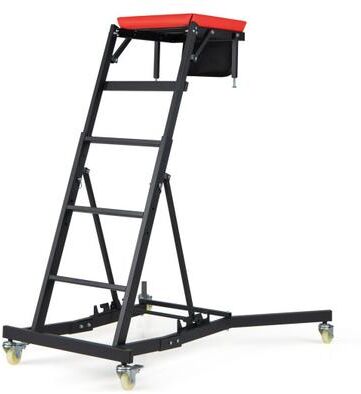

Similar search terms for Costway-Topside-Automotive-Engine
Top-Angebote
Products related to Costway-Topside-Automotive-Engine:
-
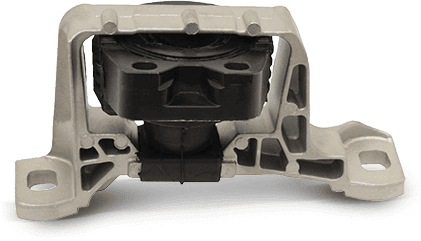
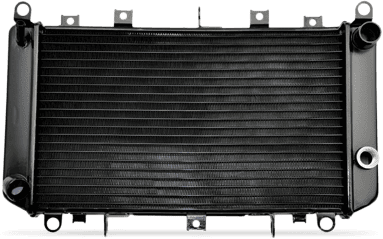
HIGHWAY AUTOMOTIVE 10132008 Engine radiatorCore Length [mm]: 500; Core Width [mm]: 538; Core Depth [mm]: 73; Cooling Fin Material: Aluminium; Water Tank Material (radiator): Plastic; Radiator type: Brazed cooling fins; Supplementary Article / Supplementary Info Info 2: with frame398,99 £*Shipping: 1,99 £Secure redirect to the provider


-
What is ESP and engine electronics?
ESP (Electronic Stability Program) is a safety system in vehicles that helps to prevent skidding and loss of control by automatically applying the brakes to individual wheels and reducing engine power when necessary. Engine electronics refer to the various electronic components and systems in a vehicle's engine that control and optimize its performance, such as fuel injection, ignition timing, and emissions control. These systems work together to ensure the engine runs efficiently, smoothly, and in compliance with environmental regulations. **
-
Which automotive diagnostic devices are suitable for different brands?
There are various automotive diagnostic devices available on the market that are suitable for different brands of vehicles. For example, the Autel MaxiCOM MK808 is a versatile tool that can work with a wide range of car brands, while the Launch X431 V+ is known for its compatibility with various Asian, European, and American car manufacturers. Additionally, the Foxwell NT301 is a budget-friendly option that is suitable for most OBDII-compliant vehicles. It is important to research and choose a diagnostic device that is compatible with the specific make and model of the vehicle you are working on. **
-
What is a gear ratio, I ask the automotive specialist.
A gear ratio is a comparison of the number of teeth on two interlocking gears. It is used to determine the relationship between the rotational speeds of the two gears. In the context of automotive engineering, gear ratios are crucial for determining the speed and torque characteristics of a vehicle. By adjusting the gear ratios, automotive specialists can optimize the performance and efficiency of a vehicle's transmission system. **
-
How are gear and engine speed related?
Gear and engine speed are related in that the gear ratio determines how the engine speed translates into the speed of the vehicle's wheels. In lower gears, the engine speed is higher relative to the vehicle speed, providing more power for acceleration. In higher gears, the engine speed is lower relative to the vehicle speed, allowing for more efficient cruising at higher speeds. The gear selection affects how the engine's power is utilized to propel the vehicle. **

Is it possible to do an automotive training after an electronics training?
Yes, it is possible to pursue automotive training after completing an electronics training. Many automotive programs do not have strict prerequisites, so having a background in electronics can be beneficial for understanding the electrical systems in modern vehicles. Additionally, the skills learned in electronics training, such as problem-solving and attention to detail, can be transferable to an automotive training program. Overall, combining electronics and automotive training can provide a well-rounded skill set for working in the automotive industry. **
Why does my engine hum during gear changes?
Your engine may hum during gear changes because of the change in load and speed. When you shift gears, the engine has to adjust to the new speed and load requirements, which can cause it to hum as it works to maintain the proper RPM. Additionally, the transmission and clutch engagement during gear changes can also contribute to the humming sound. This is a normal part of the operation of a manual transmission vehicle and is not usually a cause for concern. **
Top-Angebote
Products related to Costway-Topside-Automotive-Engine:
-
What types of fan designs are there in automotive engine cooling?
There are two main types of fan designs used in automotive engine cooling: mechanical and electric. Mechanical fans are driven by the engine through a belt and pulley system, and they typically have a fixed speed. On the other hand, electric fans are powered by an electric motor and can be controlled to vary their speed based on engine temperature or other factors. Both types of fans are used to draw air through the radiator to help dissipate heat from the engine. **
-
Is the engine compartment electronics waterproof?
The engine compartment electronics are not typically waterproof. While some components may have a degree of water resistance, they are not designed to be submerged or exposed to heavy moisture. It is important to avoid getting water into the engine compartment to prevent damage to the electronics and ensure proper functioning of the vehicle. Regular maintenance and inspections can help identify any issues with water exposure and prevent potential damage. **
-
What is ESP and engine electronics?
ESP (Electronic Stability Program) is a safety system in vehicles that helps to prevent skidding and loss of control by automatically applying the brakes to individual wheels and reducing engine power when necessary. Engine electronics refer to the various electronic components and systems in a vehicle's engine that control and optimize its performance, such as fuel injection, ignition timing, and emissions control. These systems work together to ensure the engine runs efficiently, smoothly, and in compliance with environmental regulations. **
-
Which automotive diagnostic devices are suitable for different brands?
There are various automotive diagnostic devices available on the market that are suitable for different brands of vehicles. For example, the Autel MaxiCOM MK808 is a versatile tool that can work with a wide range of car brands, while the Launch X431 V+ is known for its compatibility with various Asian, European, and American car manufacturers. Additionally, the Foxwell NT301 is a budget-friendly option that is suitable for most OBDII-compliant vehicles. It is important to research and choose a diagnostic device that is compatible with the specific make and model of the vehicle you are working on. **
Similar search terms for Costway-Topside-Automotive-Engine
-
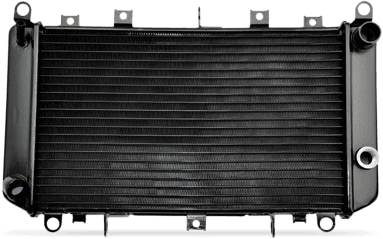
HIGHWAY AUTOMOTIVE 10132008 Engine radiatorCore Length [mm]: 500; Core Width [mm]: 538; Core Depth [mm]: 73; Cooling Fin Material: Aluminium; Water Tank Material (radiator): Plastic; Radiator type: Brazed cooling fins; Supplementary Article / Supplementary Info Info 2: with frame398,99 £*Shipping: 1,99 £Secure redirect to the provider
-
HIGHWAY AUTOMOTIVE 10116002 Engine radiatorCore Length [mm]: 475; Core Width [mm]: 418; Core Depth [mm]: 48; Cooling Fin Material: Aluminium; Water Tank Material (radiator): Plastic; Radiator type: Brazed cooling fins; Inlet Diameter [mm]: 34; Outlet Diameter [mm]: 34; Supplementary Article / Supplementary Info: with oil cooler; Supplementary Article / Supplementary Info Info 2: with frame186,99 £*Shipping: 1,99 £Secure redirect to the provider
-
What is a gear ratio, I ask the automotive specialist.
A gear ratio is a comparison of the number of teeth on two interlocking gears. It is used to determine the relationship between the rotational speeds of the two gears. In the context of automotive engineering, gear ratios are crucial for determining the speed and torque characteristics of a vehicle. By adjusting the gear ratios, automotive specialists can optimize the performance and efficiency of a vehicle's transmission system. **
-
How are gear and engine speed related?
Gear and engine speed are related in that the gear ratio determines how the engine speed translates into the speed of the vehicle's wheels. In lower gears, the engine speed is higher relative to the vehicle speed, providing more power for acceleration. In higher gears, the engine speed is lower relative to the vehicle speed, allowing for more efficient cruising at higher speeds. The gear selection affects how the engine's power is utilized to propel the vehicle. **
-
Is it possible to do an automotive training after an electronics training?
Yes, it is possible to pursue automotive training after completing an electronics training. Many automotive programs do not have strict prerequisites, so having a background in electronics can be beneficial for understanding the electrical systems in modern vehicles. Additionally, the skills learned in electronics training, such as problem-solving and attention to detail, can be transferable to an automotive training program. Overall, combining electronics and automotive training can provide a well-rounded skill set for working in the automotive industry. **
-
Why does my engine hum during gear changes?
Your engine may hum during gear changes because of the change in load and speed. When you shift gears, the engine has to adjust to the new speed and load requirements, which can cause it to hum as it works to maintain the proper RPM. Additionally, the transmission and clutch engagement during gear changes can also contribute to the humming sound. This is a normal part of the operation of a manual transmission vehicle and is not usually a cause for concern. **
* All prices are inclusive of VAT and, if applicable, plus shipping costs. The offer information is based on the details provided by the respective shop and is updated through automated processes. Real-time updates do not occur, so deviations can occur in individual cases. ** Note: Parts of this content were created by AI.