Buy ytsre.eu ?
We are moving the project
ytsre.eu .
Are you interested in purchasing the domain
ytsre.eu ?
domain@kv-gmbh.de · 0541-91531010
Buy ytsre.eu ?
What is static friction, kinetic friction, and rolling friction?
Static friction is the force that resists the initial motion of an object at rest. It is the friction force that must be overcome to start an object moving. Kinetic friction, on the other hand, is the force that opposes the motion of an object that is already in motion. Rolling friction is the force that resists the motion of a rolling object, such as a wheel or a ball, as it moves across a surface. It is generally lower than static and kinetic friction because the rolling motion reduces the amount of surface area in contact with the object, thus reducing the friction force. **
What are good examples of static friction, sliding friction, and rolling friction?
Good examples of static friction include a heavy box sitting on the floor that requires a lot of force to start moving, or a car tire on a road that is not moving. Sliding friction can be seen when you push a book across a table, or when you slide down a slide at the playground. Rolling friction is evident when a ball rolls across the ground, or when a car is in motion and its tires are rolling on the road. **

Similar search terms for Compeed-Anti-Friction-Stick
Top-Angebote
Products related to Compeed-Anti-Friction-Stick:
-
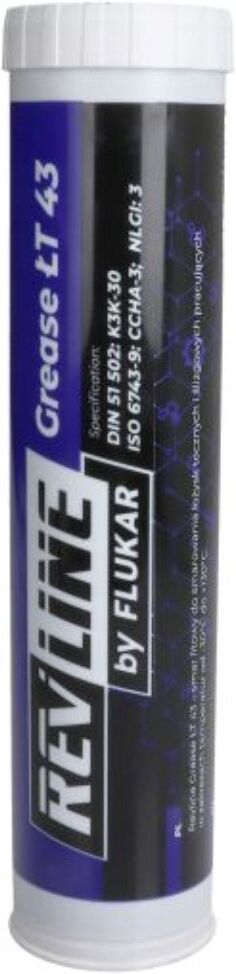
REVLINE 5901797948269 Anti-friction Bearing GreaseWeight [g]: 400; Container Type: Cartridge; NLGI Class: 3 (semi-hard); DIN/ISO: DIN 51502 K3K-30, ISO 6743-9; Operating temperature from [°C]: -30; Operating temperature to [°C]: +130; Product line: Grease; Version: LT4 S3; Liquid:6,59 £*Shipping: 8,45 £Secure redirect to the provider
-
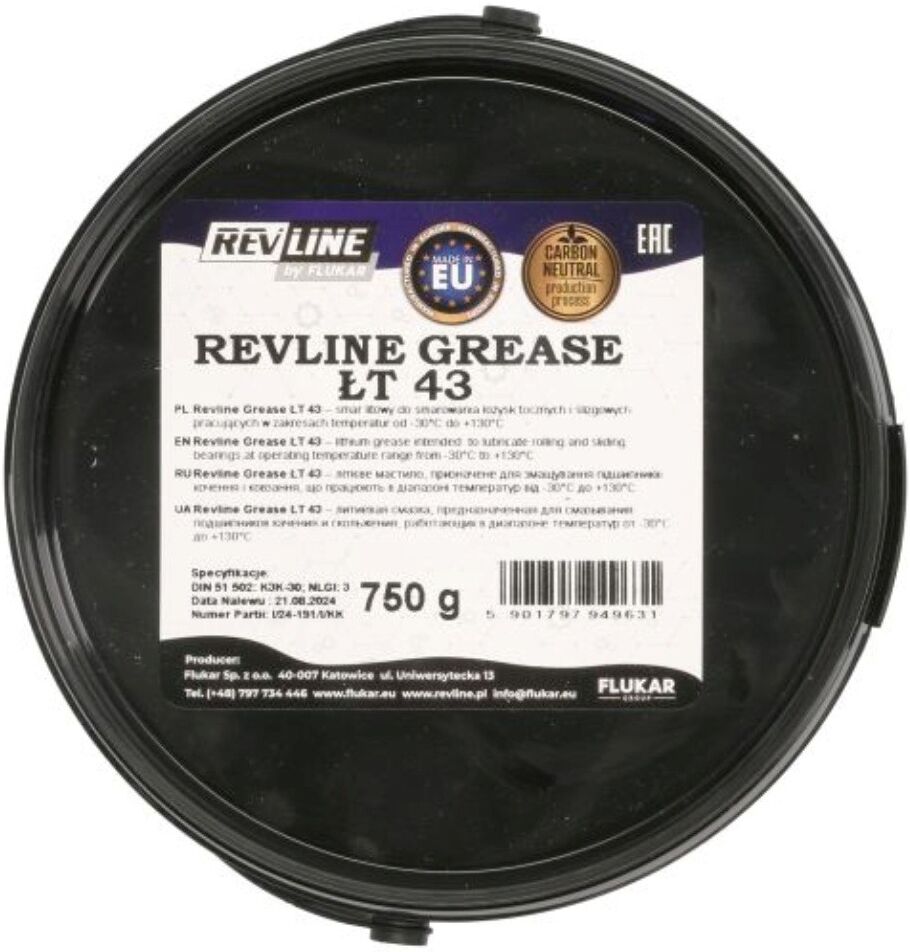
REVLINE 5901797949631 Anti-friction Bearing GreaseWeight [g]: 750; Container Type: Bucket; NLGI Class: 3 (semi-hard); DIN/ISO: DIN 51502 K3K-30, ISO 6743-9; Operating temperature from [°C]: -30; Operating temperature to [°C]: +130; Product line: Grease; Version: LT 43; Liquid:7,99 £*Shipping: 8,45 £Secure redirect to the provider
-
SHELL 550028093 Anti-friction Bearing GreaseContainer Type: Cartridge; Weight [g]: 400; Chemical Properties: Water-repellent, high corrosion protection; Version: S2 V220 AD 2; Universal: Yes; Colour: black; Temperature range from [°C]: -20; Temperature range to [°C]: +120; Highest short-term temperature [°C]: +130; ISO viscosity class: VG 220; Product line: Gadus; Liquid:8,59 £*Shipping: 8,45 £Secure redirect to the provider
-
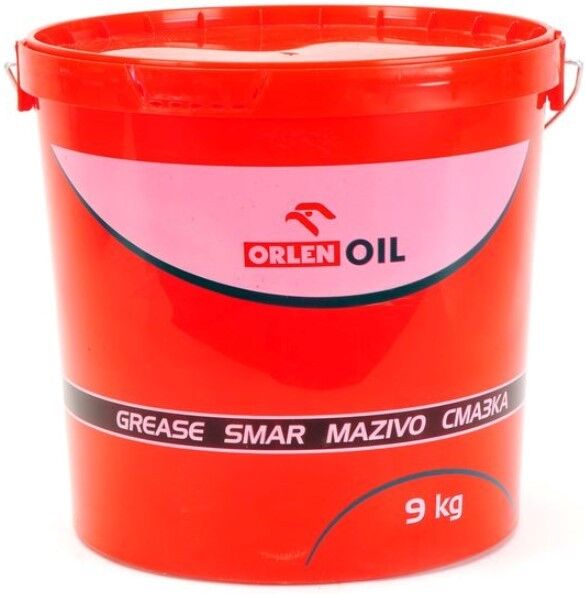
ORLEN QFG169S90 Anti-friction Bearing GreaseWeight [kg]: 9; Container Type: Bucket; NLGI Class: 3 (semi-hard); Temperature range from [°C]: -30; Temperature range to [°C]: +130; DIN/ISO: DIN 51 502 K3K-30, ISO 6743-9: CCHA-3; Colour: green; Product line: Liten LT-43; Liquid:50,99 £*Shipping: 8,45 £Secure redirect to the provider
-
What is static friction and kinetic friction?
Static friction is the force that resists the initial motion of an object at rest. It is the frictional force that must be overcome in order to start an object moving. Kinetic friction, on the other hand, is the force that resists the motion of an object already in motion. It is the frictional force that opposes the movement of an object as it slides or rolls over a surface. Both types of friction are caused by the interactions between the surfaces of the object and the surface it is in contact with. **
-
What is better: friction paste or friction spray?
The choice between friction paste and friction spray depends on personal preference and the specific application. Friction paste is typically more durable and longer-lasting, making it better for heavy-duty or long-term use. On the other hand, friction spray is easier to apply and can be more convenient for quick or temporary fixes. Ultimately, the best option will depend on the specific needs and preferences of the user. **
-
Why is rolling friction smaller than sliding friction?
Rolling friction is smaller than sliding friction because when an object is rolling, only a small portion of its surface is in contact with the ground at any given time. This reduces the amount of friction generated compared to when an object is sliding, where the entire surface is in contact with the ground. Additionally, the rolling motion allows for smoother movement, resulting in less resistance and friction. Lastly, rolling friction also involves less deformation of the surfaces in contact, further reducing the frictional force. **
-
Why is static friction stronger than kinetic friction?
Static friction is stronger than kinetic friction because when an object is at rest, the microscopic rough surfaces of the two objects in contact have more time to interlock and create a stronger bond, requiring more force to overcome. Once the object starts moving, the surfaces are in motion and the interlocking is broken more easily, resulting in less resistance. This difference in interlocking and bonding between the surfaces is what causes static friction to be stronger than kinetic friction. **


What is the difference between static friction, kinetic friction, and rolling friction in physics?
Static friction occurs when an object is at rest and is being acted upon by an external force. Kinetic friction, on the other hand, occurs when an object is in motion and is being acted upon by an external force. Rolling friction is the force that resists the motion of a rolling object, such as a wheel or a ball. The main difference between these types of friction is the state of motion of the object and the type of force being applied. **
How do anti-noise devices work?
Anti-noise devices work by producing sound waves that are the exact opposite of the unwanted noise, canceling it out through a process called destructive interference. These devices use microphones to pick up the sound waves of the unwanted noise and then produce a sound wave with the same amplitude but opposite phase, effectively neutralizing the noise. This technology is commonly used in noise-canceling headphones and can help create a quieter environment by reducing or eliminating unwanted sounds. **
Top-Angebote
Products related to Compeed-Anti-Friction-Stick:
-
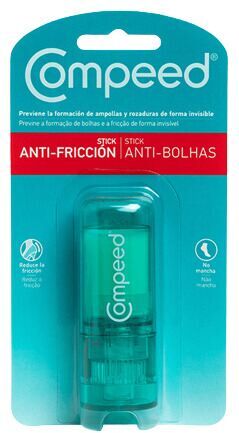
Compeed Anti Friction Stick 8 ml 8 mlHealth and Beauty First aid kit Compeed Anti Friction Stick 8 ml 8 ml Helps prevent painful blisters and uncomfortable rubbing in an invisible way. The Anti-friction Stick is effective in reducing friction and blistering. The Anti-friction Stick reduces friction on the skin, to help prevent blistering. Easy and simple to apply. The Anti-friction Stick reduces friction on the skin, to help prevent blistering. Easy and simple to apply. Ideal for uncomfortable shoes and feet that swell at high temperatures, which causes the shoes we normally use to become uncomfortable. How to use: Apply on the feet or other parts of the body, whenever you want to prevent chafing.11,84 £*Shipping: 3,99 £Secure redirect to the provider
-
Compeed Discreet Anti-Pimple Patch 15 PiecesHealth and Beauty Treatments Compeed Discreet Anti-Pimple Patch 15 Pieces COMPEED Discreet Spot Patches help clear, conceal, and protect your spots, pimples, blackheads, and blemishes. COMPEED Spot Patches use hydrocolloid technology to create the optimal healing environment for your skin. These hydrocolloid patches are designed for specific spots, offer daily protection with a discreet design, and are gentle on the skin, revealing a smooth, glowing complexion. Benefits - Cleanse: Hydrocolloid patches work to absorb sebum, oil, and dirt from pores. - Conceal: Instantly and discreetly hide the pimple, while reducing redness. - Protect: Plasters act as a physical barrier against germs to help prevent the pimple from getting worse. How to use: 01 Clean and dry your skin before use, making sure the area of the pimple is free of creams and oils. 02 Peel the clear applicator from the blue-green protective layer. 03Hold the clear laminated applicator by the curved edge. 04 Carefully remove the clear laminated applicator from the teal protective cover using both hands. 05 You'll see the round pimple patch on the white part of the clear laminated applicator. Be careful not to touch the adhesive side of the patch. 06 Apply the patch to the pimple. Using a mirror if necessary, gently press down to secure it firmly on the pimple. 07 Gently peel off the clear applicator, leaving the patch in place. Makeup can be applied over the patch. To remove the dressing: Slowly stretch the patch along your skin. Do not pull upward. Upon removal, slight redness may occur due to its high adhesiveness. This could cause a mild, painless skin reaction. The redness should disappear within a few minutes after removal.13,18 £*Shipping: 3,99 £Secure redirect to the provider
-
REVLINE 5901797948269 Anti-friction Bearing GreaseWeight [g]: 400; Container Type: Cartridge; NLGI Class: 3 (semi-hard); DIN/ISO: DIN 51502 K3K-30, ISO 6743-9; Operating temperature from [°C]: -30; Operating temperature to [°C]: +130; Product line: Grease; Version: LT4 S3; Liquid:6,59 £*Shipping: 8,45 £Secure redirect to the provider
-
REVLINE 5901797949631 Anti-friction Bearing GreaseWeight [g]: 750; Container Type: Bucket; NLGI Class: 3 (semi-hard); DIN/ISO: DIN 51502 K3K-30, ISO 6743-9; Operating temperature from [°C]: -30; Operating temperature to [°C]: +130; Product line: Grease; Version: LT 43; Liquid:7,99 £*Shipping: 8,45 £Secure redirect to the provider
-
What is static friction, kinetic friction, and rolling friction?
Static friction is the force that resists the initial motion of an object at rest. It is the friction force that must be overcome to start an object moving. Kinetic friction, on the other hand, is the force that opposes the motion of an object that is already in motion. Rolling friction is the force that resists the motion of a rolling object, such as a wheel or a ball, as it moves across a surface. It is generally lower than static and kinetic friction because the rolling motion reduces the amount of surface area in contact with the object, thus reducing the friction force. **
-
What are good examples of static friction, sliding friction, and rolling friction?
Good examples of static friction include a heavy box sitting on the floor that requires a lot of force to start moving, or a car tire on a road that is not moving. Sliding friction can be seen when you push a book across a table, or when you slide down a slide at the playground. Rolling friction is evident when a ball rolls across the ground, or when a car is in motion and its tires are rolling on the road. **
-
What is static friction and kinetic friction?
Static friction is the force that resists the initial motion of an object at rest. It is the frictional force that must be overcome in order to start an object moving. Kinetic friction, on the other hand, is the force that resists the motion of an object already in motion. It is the frictional force that opposes the movement of an object as it slides or rolls over a surface. Both types of friction are caused by the interactions between the surfaces of the object and the surface it is in contact with. **
-
What is better: friction paste or friction spray?
The choice between friction paste and friction spray depends on personal preference and the specific application. Friction paste is typically more durable and longer-lasting, making it better for heavy-duty or long-term use. On the other hand, friction spray is easier to apply and can be more convenient for quick or temporary fixes. Ultimately, the best option will depend on the specific needs and preferences of the user. **
Similar search terms for Compeed-Anti-Friction-Stick
-
SHELL 550028093 Anti-friction Bearing GreaseContainer Type: Cartridge; Weight [g]: 400; Chemical Properties: Water-repellent, high corrosion protection; Version: S2 V220 AD 2; Universal: Yes; Colour: black; Temperature range from [°C]: -20; Temperature range to [°C]: +120; Highest short-term temperature [°C]: +130; ISO viscosity class: VG 220; Product line: Gadus; Liquid:8,59 £*Shipping: 8,45 £Secure redirect to the provider
-
ORLEN QFG169S90 Anti-friction Bearing GreaseWeight [kg]: 9; Container Type: Bucket; NLGI Class: 3 (semi-hard); Temperature range from [°C]: -30; Temperature range to [°C]: +130; DIN/ISO: DIN 51 502 K3K-30, ISO 6743-9: CCHA-3; Colour: green; Product line: Liten LT-43; Liquid:50,99 £*Shipping: 8,45 £Secure redirect to the provider
-
SHELL 550050007 Anti-friction Bearing GreaseCapacity [ml]: 400; Container Type: Cartridge; NLGI Class: 2 (soft); Observe service information: ; Temperature range from [°C]: -20; Temperature range to [°C]: +130; Chemical Properties: Watertight, Contains mineral oil; Weight [kg]: 0,4; Liquid: ; Specification: ASTM D4950 LB; Product line: Gadus; Version: S2 V220 AC 28,99 £*Shipping: 8,45 £Secure redirect to the provider
-
Why is rolling friction smaller than sliding friction?
Rolling friction is smaller than sliding friction because when an object is rolling, only a small portion of its surface is in contact with the ground at any given time. This reduces the amount of friction generated compared to when an object is sliding, where the entire surface is in contact with the ground. Additionally, the rolling motion allows for smoother movement, resulting in less resistance and friction. Lastly, rolling friction also involves less deformation of the surfaces in contact, further reducing the frictional force. **
-
Why is static friction stronger than kinetic friction?
Static friction is stronger than kinetic friction because when an object is at rest, the microscopic rough surfaces of the two objects in contact have more time to interlock and create a stronger bond, requiring more force to overcome. Once the object starts moving, the surfaces are in motion and the interlocking is broken more easily, resulting in less resistance. This difference in interlocking and bonding between the surfaces is what causes static friction to be stronger than kinetic friction. **
-
What is the difference between static friction, kinetic friction, and rolling friction in physics?
Static friction occurs when an object is at rest and is being acted upon by an external force. Kinetic friction, on the other hand, occurs when an object is in motion and is being acted upon by an external force. Rolling friction is the force that resists the motion of a rolling object, such as a wheel or a ball. The main difference between these types of friction is the state of motion of the object and the type of force being applied. **
-
How do anti-noise devices work?
Anti-noise devices work by producing sound waves that are the exact opposite of the unwanted noise, canceling it out through a process called destructive interference. These devices use microphones to pick up the sound waves of the unwanted noise and then produce a sound wave with the same amplitude but opposite phase, effectively neutralizing the noise. This technology is commonly used in noise-canceling headphones and can help create a quieter environment by reducing or eliminating unwanted sounds. **
* All prices are inclusive of VAT and, if applicable, plus shipping costs. The offer information is based on the details provided by the respective shop and is updated through automated processes. Real-time updates do not occur, so deviations can occur in individual cases. ** Note: Parts of this content were created by AI.