Buy ytsre.eu ?
We are moving the project
ytsre.eu .
Are you interested in purchasing the domain
ytsre.eu ?
domain@kv-gmbh.de · 0541-91531010
Buy ytsre.eu ?
What is a chord progression?
A chord progression is a series of chords played in a specific order that forms the harmonic structure of a piece of music. It is the sequence of chords that provides the foundation for the melody and rhythm of a song. Chord progressions are often repeated throughout a song and can create a sense of movement and resolution within the music. Different chord progressions can evoke different emotions and moods, and they are a fundamental element of music composition and songwriting. **
How is the progression clause calculated?
The progression clause is typically calculated based on a predetermined percentage increase applied to the original amount. For example, if the progression clause states a 5% increase annually, the new amount would be calculated by adding 5% of the original amount to the original amount. This process is repeated each year to determine the updated amount based on the specified percentage increase. **


Similar search terms for Progression
Top-Angebote
Products related to Progression:
-
Edge Star Wars RPG: Gadgets and Gear Roleplaying Supplement for Fans of the Galactic Civil WarExpand your Star Wars roleplaying adventures with Gadgets and Gear, a supplement focused on the equipment, weapons, and practical technology used throughout the galaxy. From everyday tools and survival equipment to specialist weapons and gear used by troopers, Jedi, civilians, and criminals, this guide adds depth to characters and encounters during the Galactic Civil War. Use the contents to broaden character options, outfit adventuring parties, and bring greater detail to missions across the Star Wars universe. Whether your campaign follows rebels, smugglers, explorers, or Imperial forces, the equipment featured in this supplement can help shape distinctive characters and support imaginative stories.41,99 £*Shipping: 1,99 £Secure redirect to the provider
-
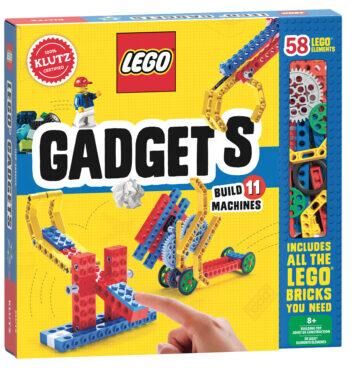
Klutz: LEGO GadgetsThis activity kit will have you building 11 machines including a gravity powered car and a wacky boxing robot. The fun doesn't stop once you've completed all of the projects in the book - open-ended prompts will inspire you to continue experimenting...24,99 $*Shipping: 0,00 $Secure redirect to the provider



-
Is there no progression in squats?
There is definitely progression in squats. As you continue to squat regularly, you will build strength in your lower body muscles, including your quadriceps, hamstrings, and glutes. Over time, you can increase the weight you are squatting, the number of repetitions, or the depth of your squat to continue challenging your muscles and seeing improvements in strength and muscle tone. Progression in squats is essential for continued growth and development in your lower body muscles. **
-
Is there no progression in driving school?
There is definitely progression in driving school. Students start by learning the basics of driving, such as rules of the road and basic maneuvers. As they gain more experience and confidence, they move on to more advanced skills like highway driving, parallel parking, and navigating different road conditions. Ultimately, the goal is for students to become safe and competent drivers by the time they complete their training. **
-
What is the blues chord progression 2?
The blues chord progression 2 is a common variation of the standard 12-bar blues progression. It typically involves moving to the IV chord in the second bar, creating a sense of tension and release. This progression adds a different harmonic color to the blues form, giving it a unique sound. It is often used in blues music to add variation and interest to the traditional blues structure. **
-
How does the blues chord progression work?
The blues chord progression typically follows a 12-bar structure, with each bar representing a measure of music. The progression is based on three primary chords - the I, IV, and V chords of a major scale. These chords create a sense of tension and resolution, characteristic of the blues sound. The progression often features dominant 7th chords to add a bluesy feel, and musicians may also incorporate variations and substitutions to add interest and complexity to the progression. Overall, the blues chord progression provides a solid foundation for improvisation and emotional expression in blues music. **

How does a blues chord progression work?
A blues chord progression typically follows a 12-bar structure, with each bar containing a specific chord. The progression often uses dominant 7th chords, giving it a distinct bluesy sound. The chords used in a blues progression are typically the I, IV, and V chords of a key, creating a sense of tension and resolution. The progression often repeats multiple times, allowing for improvisation and variation within the framework of the 12-bar structure. **
How can the curve progression be explained?
The progression of a curve can be explained by understanding the relationship between the curve's slope and its rate of change. As the slope of the curve changes, it affects the rate at which the curve is progressing. For example, if the slope of the curve is increasing, the curve will progress at a faster rate. Conversely, if the slope is decreasing, the curve will progress at a slower rate. Additionally, external factors such as forces or constraints can also influence the progression of a curve. Overall, the progression of a curve is determined by the interplay of its slope, rate of change, and external influences. **
Top-Angebote
Products related to Progression:
-
What is a chord progression?
A chord progression is a series of chords played in a specific order that forms the harmonic structure of a piece of music. It is the sequence of chords that provides the foundation for the melody and rhythm of a song. Chord progressions are often repeated throughout a song and can create a sense of movement and resolution within the music. Different chord progressions can evoke different emotions and moods, and they are a fundamental element of music composition and songwriting. **
-
How is the progression clause calculated?
The progression clause is typically calculated based on a predetermined percentage increase applied to the original amount. For example, if the progression clause states a 5% increase annually, the new amount would be calculated by adding 5% of the original amount to the original amount. This process is repeated each year to determine the updated amount based on the specified percentage increase. **
-
Is there no progression in squats?
There is definitely progression in squats. As you continue to squat regularly, you will build strength in your lower body muscles, including your quadriceps, hamstrings, and glutes. Over time, you can increase the weight you are squatting, the number of repetitions, or the depth of your squat to continue challenging your muscles and seeing improvements in strength and muscle tone. Progression in squats is essential for continued growth and development in your lower body muscles. **
-
Is there no progression in driving school?
There is definitely progression in driving school. Students start by learning the basics of driving, such as rules of the road and basic maneuvers. As they gain more experience and confidence, they move on to more advanced skills like highway driving, parallel parking, and navigating different road conditions. Ultimately, the goal is for students to become safe and competent drivers by the time they complete their training. **
Similar search terms for Progression
-
Edge Star Wars RPG: Gadgets and Gear Roleplaying Supplement for Fans of the Galactic Civil WarExpand your Star Wars roleplaying adventures with Gadgets and Gear, a supplement focused on the equipment, weapons, and practical technology used throughout the galaxy. From everyday tools and survival equipment to specialist weapons and gear used by troopers, Jedi, civilians, and criminals, this guide adds depth to characters and encounters during the Galactic Civil War. Use the contents to broaden character options, outfit adventuring parties, and bring greater detail to missions across the Star Wars universe. Whether your campaign follows rebels, smugglers, explorers, or Imperial forces, the equipment featured in this supplement can help shape distinctive characters and support imaginative stories.41,99 £*Shipping: 1,99 £Secure redirect to the provider
-
Klutz: LEGO GadgetsThis activity kit will have you building 11 machines including a gravity powered car and a wacky boxing robot. The fun doesn't stop once you've completed all of the projects in the book - open-ended prompts will inspire you to continue experimenting...24,99 $*Shipping: 0,00 $Secure redirect to the provider
-
Multisell Products Hub Magnetic Bottle Opener For Household Mineral Water Plastic Beverage Bottles And Cap Opening, Kitchen Accessories Gadgets blueEffortless Cap Opening for Everyday Kitchens Upgrade your routine with this 1 pcs Kitchen Accessories Gadgets Magnetic Bottle Opener for Household Mineral Water Plastic Beverage Bottles and Cap Opening designed for convenience and comfort. It makes...34,97 $*Shipping: 0,00 $Secure redirect to the provider
-
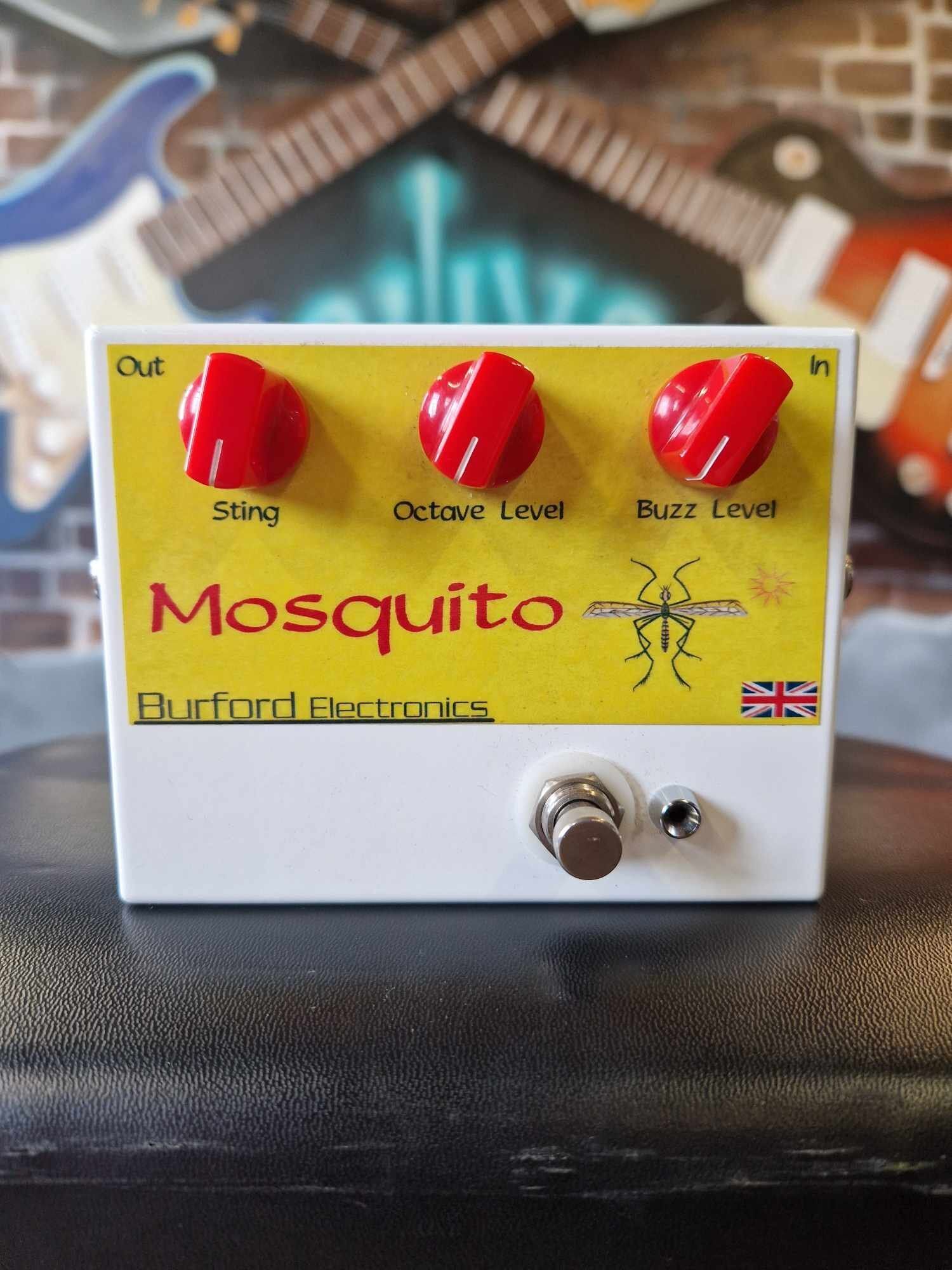
Burford Electronics Mosquito Fuzz Pedal Original - RefurbishedThis is a Burford Electronics Mosquito Fuzz Pedal. The Mosquito is a Fuzz/Octave pedal with a pretty unique sound, being closer to a fuzz more than a distortion this pedal delivers high octane fuzz sounds that will leave a sting. Here's what Burford Electronics say about the Mosquito Pedal: “A unique Octave up fuzz, which will give you pure fuzz on one twist of a knob & octave fuzz on one twist of another knob. So you can have your fuzz setting for a rich body & add octave fuzz to it or turn the fuzz down & just use the octave fuzz control for cutting lead. There is also a control called Sting, this is a tone filter that alters the voice of the octave from sharp to mellow. The octave is not over the top, on the lower register it is quite subtle, you can even play power chords and it holds together extremely well. Without that horrible modulation that is associated with some analogue octave up pedals, even some of the legendary expensive ones. Try soloing somewhere from the 8th fret upwards, it is very responsive and particularly so around 12th/15th fret and even higher. Neck and back pick ups give different sounds. Even playing positions will give different responses.”120,00 £*Shipping: 0,00 £Secure redirect to the provider
-
What is the blues chord progression 2?
The blues chord progression 2 is a common variation of the standard 12-bar blues progression. It typically involves moving to the IV chord in the second bar, creating a sense of tension and release. This progression adds a different harmonic color to the blues form, giving it a unique sound. It is often used in blues music to add variation and interest to the traditional blues structure. **
-
How does the blues chord progression work?
The blues chord progression typically follows a 12-bar structure, with each bar representing a measure of music. The progression is based on three primary chords - the I, IV, and V chords of a major scale. These chords create a sense of tension and resolution, characteristic of the blues sound. The progression often features dominant 7th chords to add a bluesy feel, and musicians may also incorporate variations and substitutions to add interest and complexity to the progression. Overall, the blues chord progression provides a solid foundation for improvisation and emotional expression in blues music. **
-
How does a blues chord progression work?
A blues chord progression typically follows a 12-bar structure, with each bar containing a specific chord. The progression often uses dominant 7th chords, giving it a distinct bluesy sound. The chords used in a blues progression are typically the I, IV, and V chords of a key, creating a sense of tension and resolution. The progression often repeats multiple times, allowing for improvisation and variation within the framework of the 12-bar structure. **
-
How can the curve progression be explained?
The progression of a curve can be explained by understanding the relationship between the curve's slope and its rate of change. As the slope of the curve changes, it affects the rate at which the curve is progressing. For example, if the slope of the curve is increasing, the curve will progress at a faster rate. Conversely, if the slope is decreasing, the curve will progress at a slower rate. Additionally, external factors such as forces or constraints can also influence the progression of a curve. Overall, the progression of a curve is determined by the interplay of its slope, rate of change, and external influences. **
* All prices are inclusive of VAT and, if applicable, plus shipping costs. The offer information is based on the details provided by the respective shop and is updated through automated processes. Real-time updates do not occur, so deviations can occur in individual cases. ** Note: Parts of this content were created by AI.